Inspection Tips for First-time HomeBuyers
Congratulations on starting your home-buying adventure! Central Texas is a special place to call home and buy purchasing a house, you are investing in your future and our community.
With all of the paperwork, timelines, steps and of course, that big downpayment, the home-buying process can be intimidating. The home inspection part doesn’t have to be. Use these tips to take the stress out of the inspection process.
Before the InspectionManaging Logistics & Expectations

Getting the home inspected is strictly the buyer’s financial and logistical responsibility—not the seller’s. While it feels like paying for a house you don't own yet, hiring your own inspector eliminates seller bias and gives you objective, unvarnished facts.
Know Your Buyer Responsibilities
Your option period is typically 3 to 7 days. Utilities like gas, electricity, and water must be fully active on-site so the inspector can test mechanicals without delay.
Respect the Option Timeline
Your realtor is your advocate and knowledgeable about the inspection process and how to use this information for negotiations. Make sure they know which inspection company you hire.
Involve Your Realtor
To avoid report delivery holds, sign the client agreement and make your payment online before or during the inspection appointment so the report drops in your inbox immediately when ready.
Sign Agreement & Pay Fee
During the InspectionCritical Components & the On-Site Walkthrough
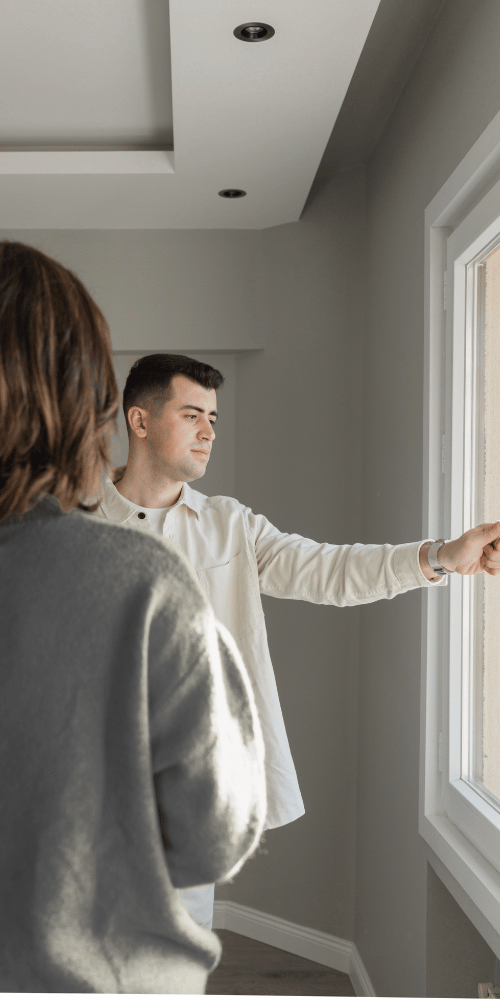
Showing up for the final 30 minutes lets your inspector show you key findings in person, locate main shut-off valves, and explain complex systems in plain English.
Join the Summary Walkthrough
Your home inspector is an expert and you should make the most of that expertise. Ask questions about technical terms, findings, and anything you don’t understand. This is especially important on components that are high-dollar repairs or replacements.
Ask Questions
The house’s foundation and roof are critical for longevity, safety and managing future expenses. Pay special attention to what your inspector says about these two elements.
Understand Top & Bottom
Focus on essential safety checks: ensuring the main electrical panel is safe, smoke/CO detectors are functional, water heater temperature-relief valves are properly piped, and GFCI outlets are active in wet areas like kitchens and bathrooms.
Prioritize Safety Features
After the InspectionInterpreting Findings & Using the Report

Every house has defects, even new construction. Look at the pictures, video and write-ups to determine which defects you can tolerate and which ones give you serious hesitation or concern.
Don’t Panic
Once you are reviewing the full report, you will undoubtedly have more questions. That’s fine! Ask your inspector or realtor to clarify the report so you are confident in your understanding.
Ask More Questions
A state-regulated home inspection is an objective snapshot of the home’s current physical condition on that day. Items marked as "deficient" simply mean they do not meet current standards or need attention—it does not mean the house "failed".
Know It Isn’t Pass/Fail
Having a clear, detailed report gives you and your real estate agent the exact leverage needed to ask for seller credits, request structural repairs, or walk away safely with your earnest money intact if necessary.
Make an Informed Decision

Welcome Home!
Useful Articles for First-Time Buyers