

Why your Buyer Needs a New Construction Home Inspection
And how you can be the hero to make it happen
Realtor Summary: New Build Inspections
Code ≠ Quality: City inspectors check for safety, not workmanship. Third-party inspections catch HVAC, insulation, and grading flaws municipal checks miss.
Close Clean: Don't wait for the 11-month warranty. Inspect before closing while the builder is still motivated to finish the punch list.
Objective Leverage: A professional report turns a buyer’s "complaints" into data-backed requirements that builders can’t easily ignore.
Referral Engine: Prioritizing your client’s long-term investment over a fast commission builds the trust that drives repeat business.
Earlier this year, Consumer Affairs reported that Austin “ranks eighth in new-construction home sales and ninth in new building permits, with more than 500 new homes sold and almost 3,900 permits issued in January and February.” Odds are, you’re going to be involved in at least one new construction purchase, maybe (hopefully!) many.
Clients naturally assume that "new" means "perfect." They see the fresh paint, the designer finishes, and the comprehensive builder warranty, and they feel protected. They rely on the municipal inspector’s sign-off. But this assumption is often flawed.
Your dilemma as a dedicated agent is real: How do you ensure the absolute best outcome for your client (protecting their massive investment) without creating friction with a builder you may need to work with again?
The answer: Recommend an independent, third-party new construction home inspection at the pre-drywall phase and upon completion. It isn't just good customer service—it's essential risk management and the fastest way to build lasting client loyalty.
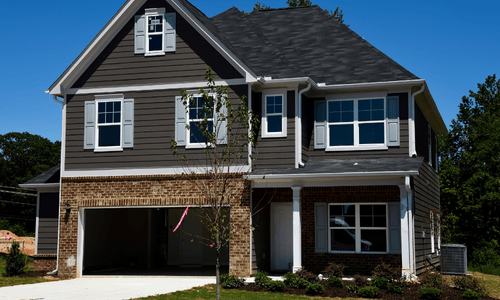
New Construction Inspections vs. Code Compliance
The single most common mistake buyers make is confusing a municipal inspection with a comprehensive quality assurance report.
City and county inspectors are essential, but their job is narrow. They inspect for code compliance, checking basic safety standards like, Is the wiring safe? or Is the plumbing connected legally? They are often overworked and rushed, and their checks are limited to the most critical structural and safety elements.
They do not check for quality or minor deficiencies that dramatically impact a homeowner's experience.
The Builder's Promise is Not Enough: A builder's warranty covers major, systems-level failures. An independent new construction inspection identifies defects before they become warranty claims. You want to prevent the problem, not just fix it after it fails.
Common New Construction Misses in Central Texas
Improper Insulation/Ventilation: Critical for managing our extreme Texas heat and energy costs. Gaps in the thermal envelope or incorrect attic ventilation are often missed by municipal checks but lead to astronomical utility bills. Thermal imaging during the inspection makes this easy to see in a way the naked eye simply cannot.
HVAC Systems Not Balanced: Units may be the correct size, but the ductwork may be improperly zoned or balanced, leading to hot and cold spots that frustrate the new homeowner year-round.
Minor Plumbing Leaks or Drainage Issues: A leaky P-trap under a sink or improper grading and drainage around the foundation edge can lead to expensive water damage or foundation shifts over time—a major concern with Central Texas’s expansive clay soils.
Cosmetic Damage: Misaligned cabinets, scratched glass, poor paint coverage, or damaged flooring are much easier for the builder to fix pre-closing when they are motivated to finalize the sale.
Key Takeaway for Agents: You are advising your client on the quality, longevity, and true cost of ownership, not just basic safety. This objective advocacy elevates your value.
Risk Mitigation: The Power of the Third-Party Inspection
In Texas, your fiduciary duty to your client is paramount. A pre-closing new construction home inspection report is the ultimate form of agent due diligence and liability protection.
Avoiding the 11-Month Pitfall
The 1-2-10 Builder's Warranty is standard in Texas (1 year on workmanship, 2 years on systems, 10 years on structural). But many buyers wait for the "11-month warranty inspection" to address issues.
This is a reactive approach. Waiting for the 11-month inspection means:
The client has already lived with the defects for a year.
The builder is far less motivated to make major fixes after receiving their final payment.
The client often has to deal with disruptions, dust, and crews while living in the home.
An inspection before closing ensures the house is delivered defect-free. That said, an 11-month warranty inspection should also be done so that anything that didn’t meet that guarantee can be identified and fixed on the builder’s dime.
Powering the Punch List
A buyer pointing out a crooked towel bar is emotional; an inspector providing a detailed, objective report on a flashing defect, grading issue, or unbalanced HVAC system is a negotiating tool. The report from the new construction home inspection provides concrete evidence that allows you to submit a formal, professional punch list to the builder. This approach is far more effective than relying on the buyer's anecdotal observations.
Building a Referral Engine (Trust & Reputation)
This is where the new construction home inspection recommendation pays long-term dividends for your career.
Client Confidence is Your Currency
When you insist on a third-party home inspection, you are actively demonstrating that you are putting the client’s long-term interests ahead of a quick commission check. This signals genuine care and builds massive, undeniable trust.
Don't wait for your client to Google a random company. Differentiate yourself from less experienced agents by making this recommendation standard and providing a solution immediately. By recommending First Responding Home Inspections, you are connecting them with a local home inspector who knows the quirks of Central Texas, has access to high tech tools and is a new construction home owner himself.
A client who you save from a potential five-figure future headache is not just a happy client—they are a client who will refer you for life.
The Long-Term ROI for Real Estate Agents
Buying new construction in Central Texas is exciting for your clients, but it is not a zero-risk transaction. As the trusted professional, you have the power to transform that risk into an opportunity.
Integrating a pre-closing new construction home inspection as mandatory within your process delivers three core benefits:
Superior Client Protection.
Reduced Agent Liability.
Enhanced Professional Reputation.
Invest in your client's peace of mind, and they will, in turn, invest in your career by becoming lifelong referral sources.
New Construction Inspection FAQs
Why should buyers get a home inspection if the builder already has inspections?
Builder inspections and municipal inspections serve different purposes. An independent home inspection provides another set of eyes focused solely on identifying issues and explaining them to the buyer.
What does a new construction home inspection include?
A new construction inspection evaluates major systems and components including structural elements, roofing, exterior drainage, plumbing, electrical, HVAC, insulation, and interior components.
When should my buyer schedule a new construction inspection?
Ideally, buyers should schedule inspections at key milestones: before drywall installation and before closing.
Can a buyer negotiate repairs on a new construction home?
Yes. While new construction homes are built to meet current standards, buyers can still identify items that need attention before closing. An independent inspection provides documentation that helps buyers and builders understand what needs to be corrected before the final walkthrough or closing.
