

The Realtor’s Guide to New Construction Phase Inspections
Helping Central Texas Buyers Protect Their New Home Investment
New construction moves fast; we’ve all driven by a new neighborhood that we swear was an empty field just last week. While buyers get excited about design choices and spotless countertops, rushed sub-contractors and 15-minute municipal checks mean critical errors frequently get overlooked.
Recommending independent phase inspections is one of the best ways to advocate for your clients. It protects their long-term safety, prevents costly surprises after closing, and gives you photo-documented leverage when negotiating repairs with the builder’s site manager.
Here is a breakdown of what an independent inspector evaluates during each of the three major construction phases.
Phase 1: Pre-Pour Foundation Inspection
Before a single drop of concrete is poured, the foundation phase takes place. Once that truck pulls away and the slab sets, the structural layout of the house is permanently locked in place.
The foundation is the single most expensive and critical component of any home. While buyers often think foundation issues only happen in older homes, improper site prep, misaligned steel reinforcement, or compromised plumbing lines under the slab can lead to catastrophic structural failures down the road.
These inspections can be completed by a TREC-licensed home inspector or by a structural engineer. Choosing who to hire depends on the questions, concerns and budget.
Phase 2: Pre-Drywall Inspection
After the foundation is set, the framing goes up and the mechanical trades (plumbing, electrical, and HVAC) install their rough-ins. The Pre-Drywall Inspection takes place right before sheetrock is hung.
This is your client's one and only window to inspect the structural bones, electrical routing, and ductwork while everything is fully visible.
Key Focus Areas for Phase 2
Structural Framing: Checking for cut or notched load-bearing studs, missing joist hangers, un-bolted sill plates, or warped structural lumber. Loose anchor bolts are a common defect at this stage and when identified are quick to manage. The key is identifying them!
HVAC & Ductwork Sealant: Verifying duct connections are joined with proper mastic sealant, routed cleanly without kinks, and protected from damage before being buried behind drywall.
Electrical & Plumbing Safety: Ensuring nail plates protect wiring and piping where they pass through studs, preventing a drywall screw from puncturing a live line or pipe later.
Realtor Takeaway: Once sheetrock goes up, missing structural ties or crushed air ducts are hidden forever. A Phase 2 report gives you clear, photo-documented proof to request repairs from the builder before trades move to cosmetic work.
Phase 3: Final Completion Inspection
The final phase inspection takes place when the home is 100% complete, utilities are on, and the home is ready for the buyer’s final walkthrough.
This is where an independent, experienced set of eyes catches the "hidden" functional, energy, and safety hazards that quick builder walkthroughs skip over. We strongly recommend including a sewer scope with this inspection as debris often falls down drains and the main sewer line. The New Build Bundle includes the home and sewer scope inspection.
Critical Focus Areas at Completion
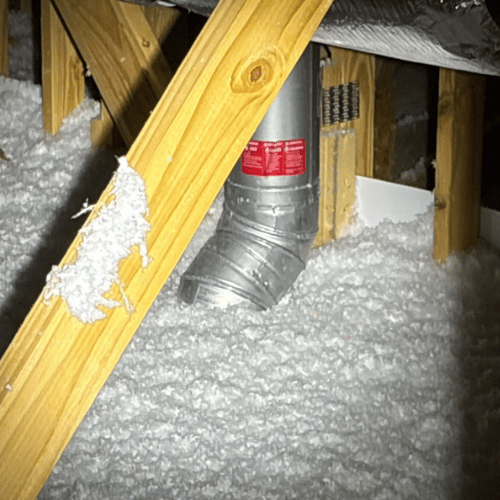
Attic & Fire Safety: Verifying that loose-fill blown insulation is installed evenly and kept completely clear of hot metal exhaust flues to eliminate fire hazards.
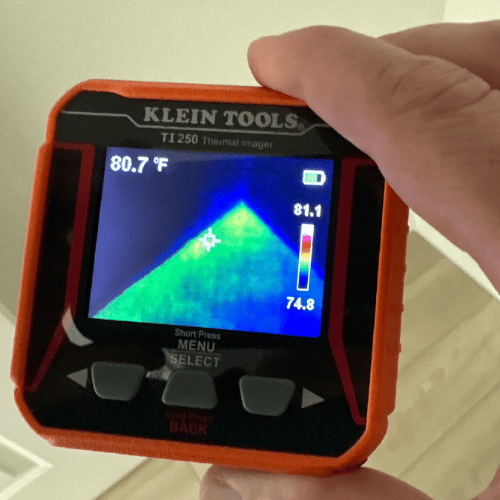
HVAC System & Energy Drain: Checking differential temperatures, ensuring ductwork hasn't disconnected, and verifying the system isn't dumping conditioned air directly into a 120° attic.
Roof & Flashing Integration: Inspecting roof shingles, flashing around chimneys/vents, gutter installation, and final grading slopes away from the new foundation.
Electricity: Confirming power is reaching all outlets, breakers flip as expected and GFCI outlets are properly labeled.
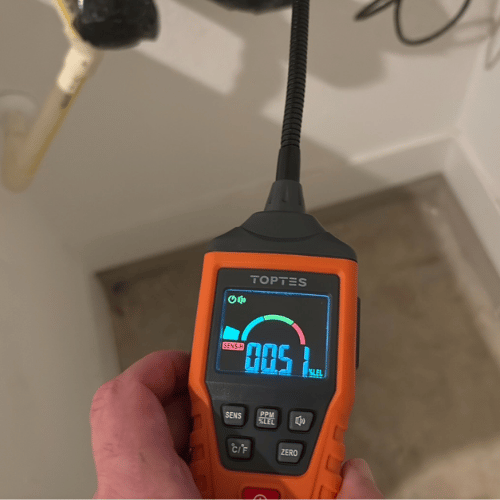
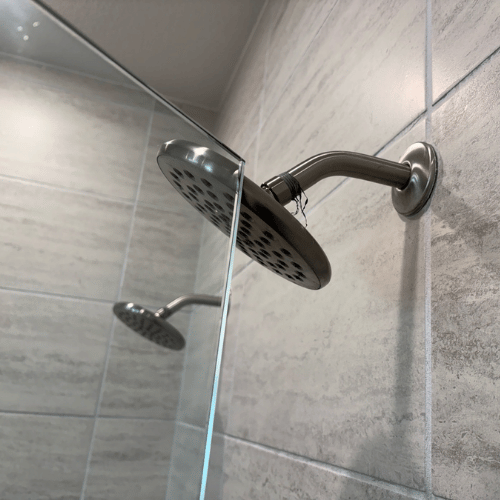
Plumbing System: Running all sinks, showers, and tubs simultaneously to test water pressure, check fixture connections for hidden leaks inside vanity cabinets, and ensure garbage disposals are correctly wired and sealed.
Sewer Line: Debris often finds its way into the sewer line during construction. A sewer scope camera to snake down the line to find anything that needs to be cleaned out is the fastest way to catch this.
How Phase Inspections Make You a Standout Agent
Guiding your client through a new build isn't just about picking floor plans—it's about protecting their long-term equity and safety.
Objective Leverage: An independent, photo-documented report takes the friction out of requests. You aren't bringing the site manager a list of buyer complaints; you are handing them proof of items needing correction.
Smoother Walkthroughs: Catching issues during Phase 1, Phase 2, and the Final Inspection prevents major surprises right before key hand-off, avoiding delayed closing dates.
Client Loyalty & Referrals: When you advocate for independent inspections on a brand-new home, your clients remember that you cared more about their long-term safety than just getting to the closing table.
Whether your clients are building in Georgetown, Austin, or anywhere across Central Texas, advocating for independent phase inspections guarantees their dream home is built safe, solid, and right from the ground up.
