

Inside the inspection
Roof Inspections
A professional roof inspection is one of the most important components of a home inspection. The roof is the home’s first line of defense against weather, and undetected damage can lead to leaks, structural issues, and costly repairs. A thorough roof inspection ensures buyers know the true condition of the roof before purchasing. In Texas, a roof inspection is included as a standard component of all state-regulated home inspections, making it a required and critical part of the home buying process.
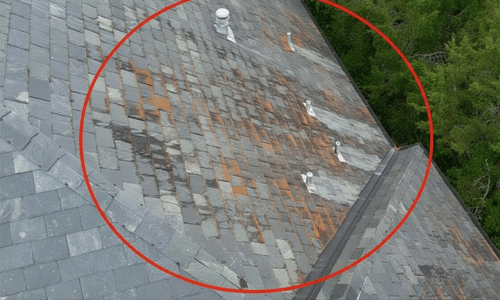
What a ROOF Inspection Includes
During a roof inspection, our inspector evaluates the condition and integrity of the roof. Key areas include:
Missing, damaged, or curling shingles
Flashing around chimneys, vents, and skylights
Gutters, downspouts, and drainage systems
Signs of water intrusion in the attic or ceilings
Roof decking or structural support issues
Evidence of prior repairs or patchwork
This evaluation identifies potential problems that may require attention or further evaluation by a roofing professional.
Why Roof Inspections Are Especially Important in Texas
In Central Texas, a roof inspection is especially important due to our extreme and unpredictable weather. The Austin metro frequently experiences springtime hail storms that can cause significant, sometimes hidden, roof damage. Even small hail can dent shingles, crack protective granules, loosen flashing, and compromise the roof’s ability to shed water. Over time, these subtle impacts can lead to leaks, mold growth, and structural issues.
In addition to hail, the area sees intense sun, high winds, and heavy rain, all of which accelerate wear on roofing materials. Even newer roofs may have hidden damage from past storms that isn’t visible from the ground. A professional roof inspection can detect hail damage and other weather-related issues before they become costly problems.
Drone Technology Enhances Roof Inspections
At First Responding Home Inspections, our inspector uses a ladder to get on your roof and also uses drone technology to capture high-resolution images and videos. Drones allow safe inspection of steep or hard-to-reach areas while providing detailed visual documentation. Every photo is included in your inspection report, giving a clear view of any hail damage, cracks, or potential problem areas.
Drone-assisted roof inspections are particularly useful for homes with complex rooflines, multi-story structures, or older roofs. By combining traditional inspection techniques with advanced aerial imaging, we deliver a thorough and reliable roof inspection, ensuring every section of the roof is carefully assessed as part of the standard state-regulated inspection.
Key roofing Terms for Home buyers & Real Estate Agents
Granule Loss
The wearing away of the crushed ceramic coating on asphalt shingles. While some loss is natural as a roof ages, hail impacts knock these granules loose, exposing the underlying asphalt to UV rays. In Central Texas, this "sun exposure" can make shingles brittle and prone to leaking in just one or two summers.
Shingle Bruising
A soft, spongy spot in a shingle caused by the impact of a hailstone. Similar to a bruise on an apple, the damage is often invisible from the ground but indicates that the internal fiberglass mat has been fractured, compromising the roof’s long-term integrity.
Architectural Shingles (Laminate)
A heavy-duty, multi-layered shingle designed for superior wind and impact resistance compared to traditional "3-tab" shingles. Most modern homes in Leander, Hutto and Round Rock use these to better withstand our frequent spring hailstorms.
Dented Flashing
Visible "dings" or dents in the soft metal components of the roof—such as vent hoods, valley tin, or chimney caps. Because metal shows impact more clearly than shingles, dented flashing is often the "smoking gun" that proves a home has sustained significant hail strikes.
Crickets (Roof)
A peaked, "mini-roof" structure built behind a chimney or other wide obstruction. Its job is to divert water and debris away from the chimney’s back wall. Without a cricket, water and ice can "dam" up, leading to the common chimney leaks we see after heavy Texas downpours.