Inside the inspection
Foundation Inspections
When it comes to buying a home in Texas, a foundation inspection is one of the most critical parts of the home inspection process. A solid foundation supports the entire structure. If it’s compromised, even small issues can lead to costly repairs and major headaches down the road.
Elevation Measurement Inspections: Going Deeper
While a standard foundation inspection relies on visual and functional clues, an elevation measurement inspection provides a more precise evaluation. Using specialized equipment, inspectors measure the elevation of floors throughout the home to detect subtle variations that may not be visible. This type of inspection is especially valuable for older homes, properties with visible movement, or houses that have had previous foundation work. It’s also a smart choice for higher-end homes where repair costs would be significant
Additionally, elevation measurements can reveal patterns of settling or tilting that a visual inspection alone might miss. These measurements help determine whether foundation movement is ongoing or has stabilized, giving buyers a clearer picture of long-term structural risk. For homebuyers investing in properties with unique architectural features, slabs built on variable soil, or homes in high-risk clay areas, including an elevation measurement as part of a foundation inspection can provide critical peace of mind and support informed purchase decisions. First Responding Home Inspections offers elevation measurements as an add-on service for any home inspection or as part of our CenTex Home Inspection bundle.
How Does this Differ from a Structural Engineer Inspection?
Our home inspection evaluates the condition of your foundation and highlights potential concerns, but we are not structural engineers. We cannot provide advice on load-bearing walls, structural design, or major renovations. For those projects, a licensed structural engineer is required to ensure safety and code compliance.
What does a Foundation Inspection Include?
During a standard home inspection as well as the 11-month warranty inspection for new construction, the foundation is evaluated for signs of movement, cracking, moisture intrusion, and structural instability. The inspector looks at:
Visible cracks in walls, floors, and ceilings
Sloping or uneven floors
Gaps around doors and windows
Doors that do not open or shut properly
Exterior brick or siding separations
Signs of previous foundation repair work
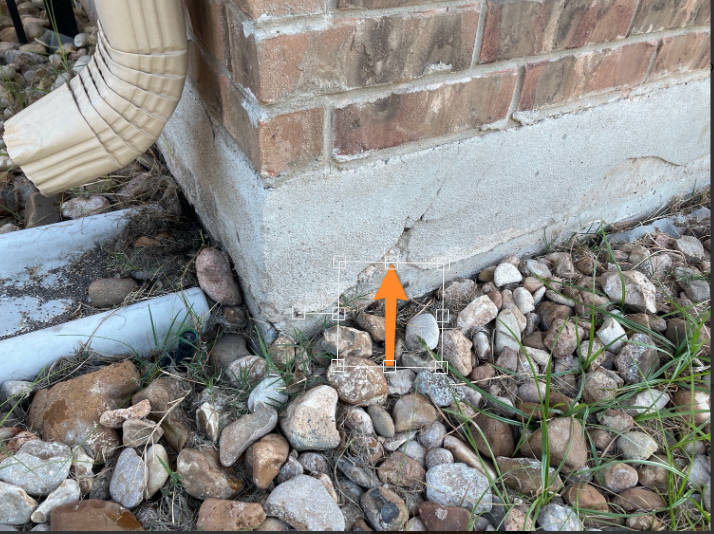
Drainage and grading issues that may affect the foundation
These observations help identify whether the foundation is performing as intended or if further evaluation may be needed.
Why are Foundation Inspections Especially Important in the Austin Area?
In the Austin area, foundation inspections are especially critical because of our expansive clay soils, unpredictable weather and hot-as-Hades summers. The clay found here swells when wet and shrinks dramatically during dry periods. That constant movement creates stress on a home’s foundation, leading to cracking, uneven settling, or misaligned doors and windows over time.
Rapid shifts between heavy rainfall and long, hot (HOT) dry spells only make matters worse. If a home’s drainage isn’t properly managed, water can collect near the foundation during storms and then disappear in drought conditions, amplifying soil movement.
Other local factors add risk too. Older homes may have shallower or less reinforced foundations, while large trees near the house can draw moisture unevenly from the soil, causing one side of the foundation to settle faster than the other. All these conditions make a thorough foundation inspection essential for identifying early warning signs before they become major structural problems.
Key Terms for Austin Home buyers & Real Estate Agents
Slab-on-Grade
This is the most frequent foundation style in Central Texas. It involves a single layer of concrete poured directly on the earth. While durable, these foundations often struggle with the expansive clay soil found in Central Texas, which can lead to shifting as the ground dries and swells.
Pier and Beam
These foundations are typically found in more established Austin neighborhoods like Hyde Park, Allandale or up around the Georgetown square. This design utilizes concrete or wooden supports to lift the home, creating a crawlspace. While this allows easy access to pipes, it requires vigilant monitoring for wood rot or termite activity in our humid climate.
Efflorescence
A white, powdery mineral deposit appearing on concrete surfaces describes this condition. It is left behind after moisture evaporates. In an Austin home inspection, seeing this is a key indicator that water is moving through the foundation, often pointing to poor exterior drainage.
Post-Tension Cables
These high-strength steel strands provide the internal strength for many modern Austin slabs. They are tightened after the concrete cures to keep the foundation compressed. This specialized reinforcement helps the home resist the powerful forces exerted by the shifting Texas soil.
Heave
When Central Texas clay becomes oversaturated and physically lifts the foundation, it is known as heave. This upward movement causes the same types of structural damage as sinking, such as cracked walls or doors that no longer latch, making it a critical focus during any local inspection.
Related Blog Posts