A properly functioning heating and cooling system is critical for comfort, efficiency, and safety. A thorough heating, ventillation and air conditioning (HVAC) inspection helps buyers understand the condition of the system and anticipate future maintenance or replacement costs.

What the HVAC evaluation Includes
During a standard home inspection, the HVAC system is evaluated visually and operationally. Key areas of focus include:
Heating Systems: Furnaces, heat pumps, and other heating components are tested for proper operation, age, installation quality, and safety features. Inspectors also check for clear airflow, venting issues, and signs of wear or damage.
Cooling Systems: Air conditioners are run through normal cycles to assess functionality. Inspectors check refrigerant lines, condensate drains, and overall unit condition, noting any visible leaks or signs of poor maintenance.
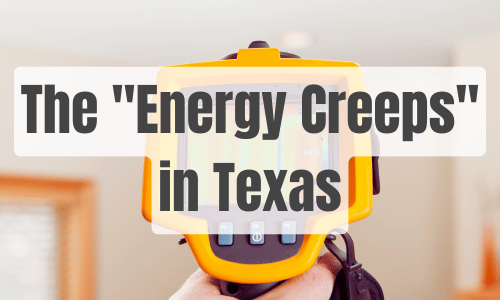
Ductwork and Airflow: Accessible ductwork is inspected for damage, disconnected sections, or poor insulation that can impact efficiency and indoor air quality. First Responding Home Inspections also includes thermal imaging to assure quality air flow.
Controls and Thermostats: Thermostats and system controls are tested for proper operation.
System Age and Condition: Understanding the approximate age of the system helps buyers anticipate replacement timelines and budget accordingly.
Insulation: Though not literally part of the ductwork or HVAC systems, sufficient insulation significantly impacts the overall efficiency and costs. First Responding Home Inspections identifies areas of missing or insufficient insulation behind walls via thermal imaging.
Why HVAC eval Is especially important in texas
You don’t need us to tell you: Texas summers are long, hot and did we mention long and hot. A properly working HVAC is imperative for your comfort and to manage your electric bill.
The extreme Austin area summers put significant stress on air conditioners. Older units or those that were improperly installed may struggle to maintain efficiency, increasing energy costs and potentially shortening system lifespan. Winter heating issues, while less frequent, can also pose safety risks, such as blocked vents or malfunctioning gas furnaces.
Inspectors also look for signs of inadequate maintenance, such as dirty filters, worn belts, or uncleaned coils, which can affect performance and indoor air quality. Addressing these issues early ensures the system operates safely and efficiently.
HVAC in the pre-drywall Phase
Absolutely—and in many ways, it is the most critical time to do so. While a standard inspection tests if a finished system is "blowing cold," a Pre-Drywall Inspection allows us to verify the integrity of the installation before the evidence is covered up. At this stage, we aren't looking at temperatures and airflow; we are inspecting the skeleton of your comfort system. We check for kinked or restricted flex ducts, ensure the plenum is properly sealed to the unit, and verify that refrigerant lines are protected from future nail punctures. In the high-heat environment of Central Texas, a single crushed duct hidden behind drywall can result in a "hot room" that stays uncomfortable for the life of the home. Catching these mechanical errors now is a fraction of the cost of trying to diagnose and repair them once the walls are finished.
Included in Standard Home Inspections
HVAC evaluation is part of the standard home inspection and our rent-ready inspection. As referenced earlier, a version of HVAC eval - focused on the “skeleton” of the system is included in the pre-drywall inspection for new construction. However, we may recommend specialized servicing or further diagnostics by a licensed HVAC technician if performance concerns or older systems are present. We know in Austin, HVAC is not something to take risks on!
Key Terms for Central Texas Home buyers & Realtors
Condensate Drain Line
A PVC pipe that carries the water (condensation) pulled from your home's air to the outside. In humid areas like Central Texas, these lines are prone to clogging with algae or "slime," which can lead to water backing up into the attic and causing expensive ceiling damage.
Evaporator Coil
The indoor component of your AC system that absorbs heat and moisture from the air. In the extreme heat of Austin and Central Texas summers, these coils work overtime. During our home inspections, we often find that dirty or corroded coils are a leading cause of reduced cooling efficiency and system freeze-ups.
Ductwork
The network of rigid or flexible tubes that distribute conditioned air throughout your home. In new construction neighborhoods, we frequently check ductwork for kinks or disconnected sections that can lead to high energy bills and uneven room temperatures.
Plenum
A large, box-like chamber connected to your HVAC unit that acts as a central distribution hub for air. Whether we are performing a pre-drywall inspection or a standard buyer's inspection, we verify that the plenum is properly sealed to prevent conditioned air from leaking into a 140-degree attic.
Float Switch
A safety device installed in the drain line or emergency pan. If the condensate line clogs, the float rises and automatically shuts off the AC system to prevent water damage to your ceilings and floors.
Related Blog Posts